
Living in Chapel Hill, NC (2026 Guide)
A well-established college town offering walkable areas, cultural amenities, and access to Durham and Research Triangle Park.
Chapel Hill, NC is a university-driven market in the Raleigh–Durham Triangle known for cultural identity, long-term housing demand, and established neighborhood character. Anchored by the University of North Carolina at Chapel Hill and UNC Health, the town’s housing market is shaped heavily by academic, medical, and research employment.
Located in Orange County, west of Durham and northwest of Cary, Chapel Hill connects to Research Triangle Park and Raleigh via US-15-501 and I-40. Commute times vary by corridor and time of day, with proximity to Durham generally offering the shortest regional access.
In 2026, buyers should expect premium pricing in established neighborhoods, limited large-scale new construction, and competitive inventory in high-demand areas near campus and major employment centers. Because much of Chapel Hill is built out, resale homes and select infill projects drive most available inventory.
But Chapel Hill is not the right fit for every buyer. Those seeking large master-planned communities, lower entry pricing than Orange County averages, or consistently short RTP commutes during peak traffic may find better options in other Triangle markets.
This 2026 Chapel Hill relocation guide explains what living here is actually like — including pricing tiers, neighborhood variation, school systems, commute realities, outdoor access, and how Chapel Hill compares to Cary, Durham, and other surrounding communities.
Chapel Hill at a Glance (2026 Buyer Snapshot)
• University-driven housing demand
• Premium pricing in established neighborhoods
• Limited large-scale new construction
• Strong long-term desirability
• Commute depends heavily on corridor
Chapel Hill, NC Homes for Sale — View Current Listings
👇 View Chapel Hill Listing 👇
📊 Chapel Hill, NC Real Estate Market Snapshot (2026)
Current Market Overview
Key Market Metrics
Primary Market Drivers
Market Context
Chapel Hill's real estate market is shaped by its unique position as a university town anchored by UNC-Chapel Hill and a major hospital system. Demand remains consistently strong from faculty, medical professionals, and long-term residents who value the town's walkability, schools, and cultural amenities.
Inventory stays tight in high-demand pockets — particularly near campus, Meadowmont, and Southern Village — while days on market reflect a faster pace than many comparable markets. New construction is limited by geography and zoning, making well-maintained resale homes especially competitive.
Note: Data varies by Orange County submarket and specific neighborhood. Buyers should evaluate pricing at the neighborhood level for the most accurate picture.
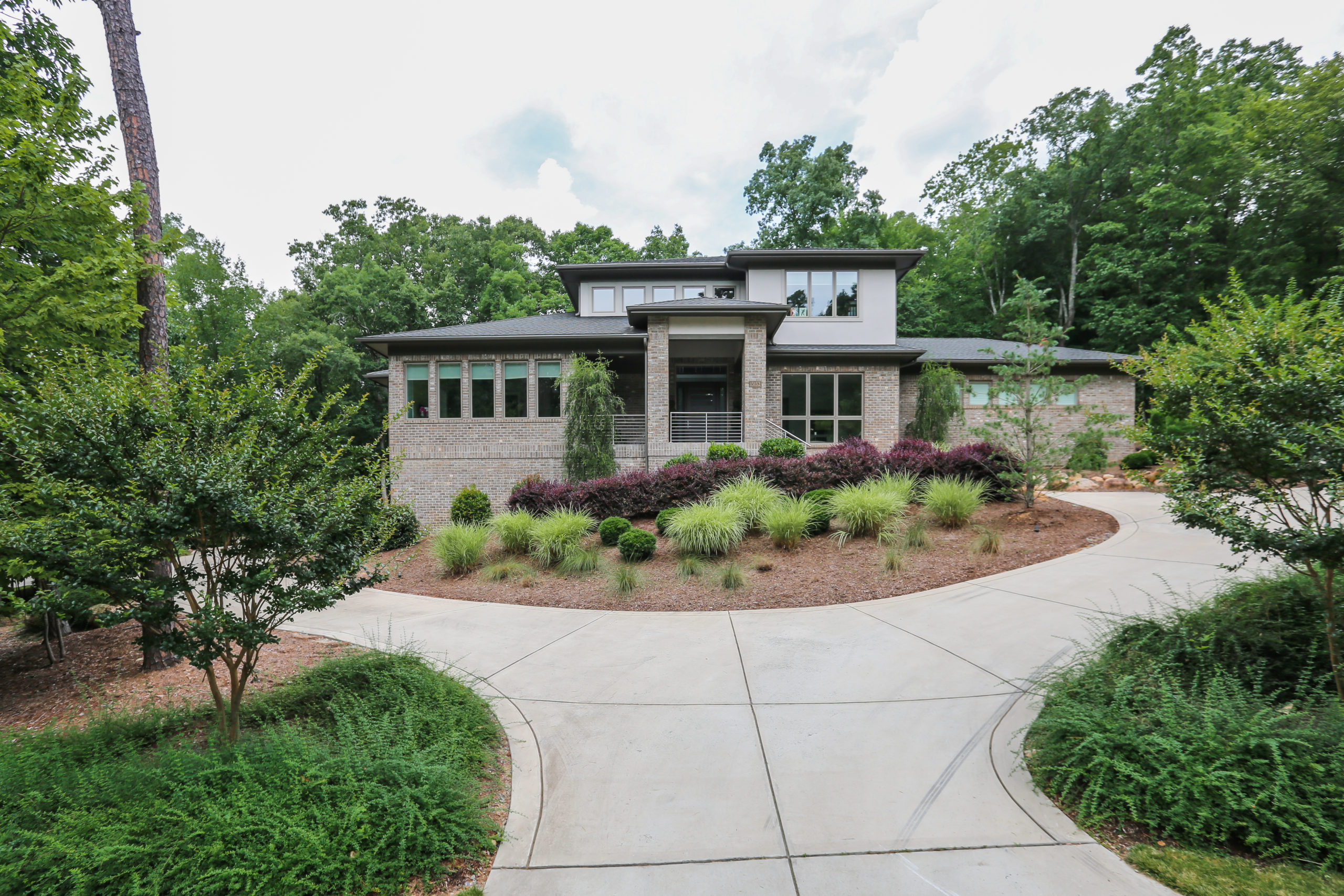
What Is It Like to Live in Chapel Hill, NC?
Housing Style & Neighborhood Character
Chapel Hill offers:
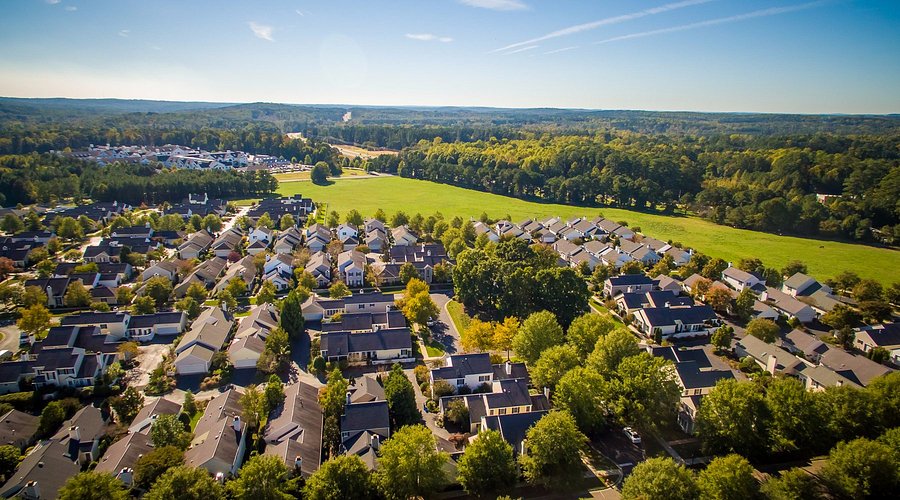
• Established tree-lined neighborhoods
• Custom homes and infill builds
• Townhomes near campus and medical facilities
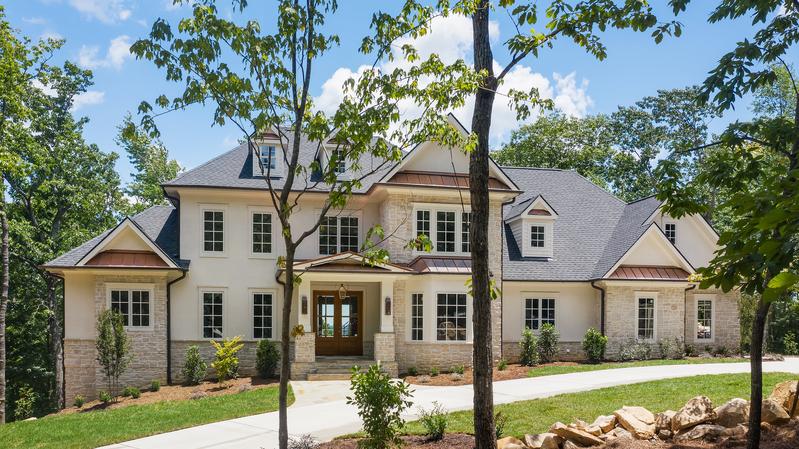
• Higher-end homes in gated or semi-private communities
Architectural styles vary widely — from mid-century homes to newer transitional builds.
Lot sizes and price points vary dramatically depending on proximity to UNC and downtown.
Growth & Development
Unlike fast-growth suburbs like Apex or Holly Springs, Chapel Hill is largely built out.
Development tends to be:
• Infill redevelopment
• Higher-density housing near downtown
• Select luxury communities
Land constraints and zoning policies influence supply more heavily than in southern Wake County.
Community Identity
Chapel Hill is strongly influenced by:
• UNC-Chapel Hill
• UNC Hospitals
• Academic and research employment
• Cultural institutions and local events
The town has a distinct identity separate from Raleigh or Cary.
Where Is Chapel Hill, NC Located?
Chapel Hill is located in Orange County, west of Durham and northwest of Cary. It connects to Durham and RTP via US-15-501 and I-40.
Drive times vary depending on corridor:
• 20–30 minutes to Durham
• 25–35 minutes to RTP
• 30–40 minutes to Raleigh
• ~25–35 minutes to RDU Airport
Popular Neighborhoods in Chapel Hill, NC
Chapel Hill neighborhoods vary significantly in price, density, and proximity to campus.
Southern Village – Walkable community with townhomes and single-family homes near retail and greenway access.
Meadowmont – Mixed-use development with higher-end homes and walkability.
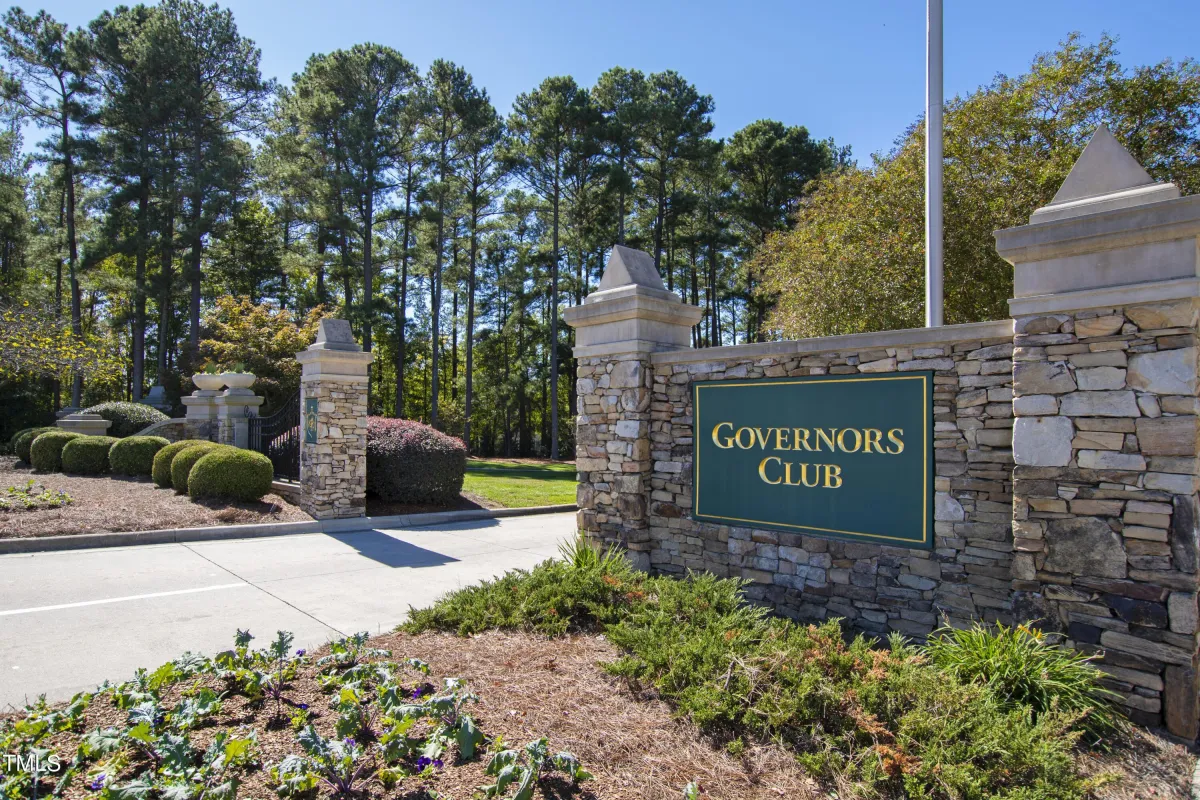
Governors Club – Gated golf community offering estate-style homes and privacy.
Lake Hogan Farms – Established neighborhood with community amenities and wooded lots.
The Oaks – Private country club community with luxury properties.
Neighborhood pricing, HOA structure, and school assignments vary by address.
Cost of Living in Chapel Hill, NC
Property Taxes
Chapel Hill homes are subject to:
• Orange County tax rates
• Town of Chapel Hill tax (if within town limits)
Tax rates differ from Wake County towns like Cary and Apex.
HOA Considerations
HOAs vary widely.
Luxury or gated communities often have structured HOA systems.
Older established neighborhoods may not.
Always review HOA documents before purchasing.
Who Chapel Hill, NC Is Best For
Chapel Hill may be a strong fit for buyers who:
• Want proximity to UNC or UNC Health
• Value long-term desirability and cultural identity
• Prefer established neighborhoods over expansion zones
• Are comfortable with premium pricing
Who Chapel Hill May Not Be Best For
Chapel Hill may not align with buyers who:
• Want large-scale new construction neighborhoods
• Prefer lower entry pricing than Orange County averages
• Want suburban master-planned communities
• Need very short RTP commutes during peak hours
Schools in Chapel Hill, NC
Chapel Hill is primarily served by Chapel Hill–Carrboro City Schools (CHCCS), with some surrounding areas assigned to Orange County Schools, depending on address and zoning boundaries.
Public schools that may serve Chapel Hill addresses include:
• Chapel Hill High School
• East Chapel Hill High School
• Carrboro High School
• Smith Middle School
• Grey Culbreth Middle School
• Rashkis Elementary School
• Seawell Elementary School
School assignments are address-specific and can change over time. Buyers should verify zoning directly with the appropriate district before making a purchase decision.
Parks & Outdoor Living in Chapel Hill, NC
Outdoor access is one of Chapel Hill’s defining lifestyle features, with a mix of preserved woodland, greenways, athletic parks, and lake access nearby.
Notable outdoor areas include:
• Carolina North Forest – A large protected natural area with hiking and biking trails, popular for wooded terrain and mountain biking.
• Southern Community Park – Athletic fields, dog park, walking trails, and community gathering space.
• Homestead Park – Indoor aquatic center, athletic courts, green space, and community programming.
• Blackwood Farm Park – Multi-use trails and open fields with a quieter, neighborhood-oriented feel.
• Mason Farm Biological Reserve – A protected natural area used for research and passive outdoor recreation.
• Carolina Outdoor Education Center – Outdoor learning programs and environmental education.
• Jordan Lake (nearby) – Regional recreation area offering boating, camping, hiking, and beach access just outside town.
Chapel Hill’s outdoor environment leans more natural and wooded compared to the structured suburban greenway systems found in parts of Wake County.

Amenities & Community Services in Chapel Hill, NC
Chapel Hill’s amenities are shaped heavily by its university presence, medical institutions, and local cultural programming rather than large-scale suburban commercial development.
Notable amenities include:
UNC Health & UNC Hospitals – A nationally recognized academic medical system and major employer in the region, providing advanced specialty care and research-driven healthcare services within town limits.
University Place & Eastgate Crossing – Established retail centers offering shopping, dining, grocery, and service providers serving central Chapel Hill residents.
Chapel Hill Public Library – A modern, centrally located facility offering community programming, educational resources, and public events.
Community Centers & Town Programs – Chapel Hill Parks & Recreation provides year-round classes, youth programs, athletic leagues, and senior services through facilities like Hargraves Community Center and Homestead Aquatic Center.
Local Events & Cultural Programming – Annual events such as Festifall Arts Festival, Carrboro Music Festival, and UNC athletic events contribute to the town’s cultural identity and community engagement.
Compared to suburban retail-driven dining hubs in Cary or Apex, Chapel Hill’s food scene is more independent, locally rooted, and influenced by the university and academic community.

Dining & Entertainment in Chapel Hill, NC
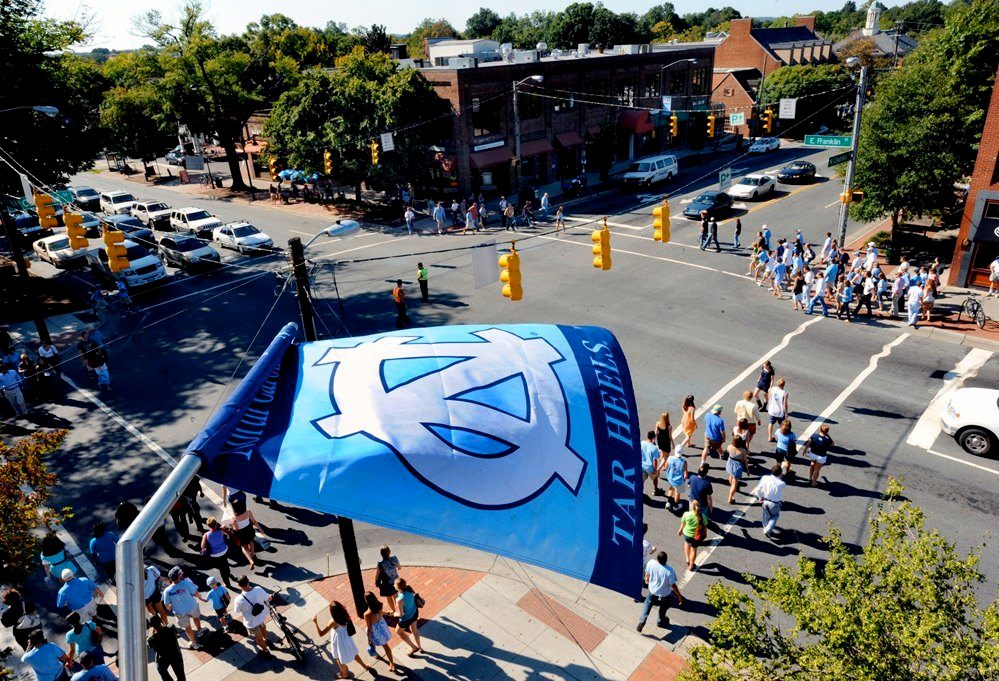
Chapel Hill’s dining and entertainment scene is centered around Franklin Street and the University of North Carolina, creating a walkable, culture-driven environment distinct from suburban retail hubs elsewhere in the Triangle.
Notable Restaurants in Chapel Hill
Lantern – Nationally recognized modern Asian cuisine known for locally sourced ingredients and seasonal menus.
Top of the Hill Restaurant & Brewery – An iconic Franklin Street staple offering rooftop dining and house-brewed beer overlooking downtown.
Venable Rotisserie Bistro – Upscale Southern-inspired cuisine in an intimate setting.
Al’s Burger Shack – Award-winning local favorite near campus known for classic burgers and high-volume student traffic.
Sunrise Biscuit Kitchen – A Chapel Hill institution serving breakfast staples in a casual, no-frills setting.
Dining in Chapel Hill tends to be locally driven, independent, and concentrated near downtown corridors.
Entertainment & Cultural Venues
Franklin Street – The heart of Chapel Hill, offering restaurants, bars, retail shops, and nightlife within walking distance of campus.
Memorial Hall – A historic performing arts venue hosting concerts, lectures, and touring productions.
UNC Athletic Events – Especially basketball season, which significantly shapes downtown activity and local energy.
Local Bookstores, Galleries & Coffee Shops – Independent retailers and gathering spaces contribute to Chapel Hill’s academic and cultural identity.
Chapel Hill’s entertainment profile leans more walkable and university-centered compared to suburban venues found in Cary or Apex.

Chapel Hill vs Cary vs Durham: How Do They Compare?
A side-by-side look at three of the Triangle's most distinct markets
| Feature | Chapel Hill | Cary | Durham |
|---|---|---|---|
| Median Pricing | Premium | High but varied | Broad range |
| Growth Pattern | Built-out, limited expansion | Established, structured | Ongoing redevelopment + expansion |
| University Influence | Strong (UNC) | Moderate | Strong (Duke) |
| Commute to RTP | Moderate | Shorter | Shorter to moderate |
| Neighborhood Style | Established, wooded | Structured suburban | Urban + historic mix |
| New Construction | Limited | Limited to moderate | More infill + redevelopment |
💡 Buyer Insight
Chapel Hill maintains strong long-term housing demand driven by UNC, UNC Health, and its established neighborhood base.
Cary typically offers shorter RTP commute times and more structured suburban infrastructure, often at comparable or slightly lower pricing depending on neighborhood.
Durham attracts buyers seeking a mix of urban energy, historic character, redevelopment opportunity, and proximity to Duke and RTP.
Buyers comparing multiple towns should also review the broader Triangle Relocation Guides (2026) for a full regional comparison across commute corridors, pricing tiers, and growth patterns.
Quick Summary for Buyers
Chapel Hill, NC is often best suited for buyers who want a character-rich, established community with walkable areas, access to Durham and RTP, and long-term stability — and who are prepared for higher demand and limited housing availability.

About This Guide & Local Insight
Hi, I’m Phil Slezak — an AI-Certified Real Estate Agent with more than 20 years of experience helping buyers, sellers, and relocating clients across the Triangle.
These relocation guides are designed to give you clarity before you ever schedule a showing. My goal is simple: help you understand how towns like Chapel Hill compare in terms of pricing, commute realities, neighborhood character, long-term demand, and lifestyle fit — without pressure or guesswork.
While I work throughout the region, Chapel Hill stands out as a university-driven market with unique neighborhood dynamics, limited expansion, and strong long-term desirability. Understanding those structural factors matters before you decide where to land.
By combining local experience with data-driven analysis and modern AI tools, I help clients evaluate options with greater precision — so decisions are based on strategy, not emotion alone.
How I Help Buyers Navigate Chapel Hill & the Triangle
When you work with me, you can expect:
• Over 20 years of local real estate experience across Wake, Orange, and surrounding counties
• Clear breakdowns of commute patterns, pricing tiers, and neighborhood differences
• Data-supported insights — not hype
• Direct, transparent guidance with no pressure
• A personalized strategy built around your timeline and comfort level
• Access to trusted local lenders, inspectors, and service providers
Relocation decisions are rarely just about the house — they’re about long-term fit. My role is to help you see the trade-offs clearly.
Optional Buyer Programs
Some qualified buyers may also have access to optional programs designed to add flexibility.
Details and eligibility are always reviewed clearly and in writing before any decision is made.
• Buyer Home Guarantee – Structured options if your housing needs change after purchase
• Sold Zero Commission Program – Available to qualified clients when buying and selling together
If you’d like to understand how these programs work — and whether they apply to your situation — I’m happy to walk through it step-by-step.
Frequently Asked Questions About Chapel Hill, NC
Is Chapel Hill driven by UNC?
Yes. The University of North Carolina at Chapel Hill significantly influences housing demand, rental activity, and long-term pricing stability. Proximity to campus, UNC Hospitals, and research facilities often impacts neighborhood desirability and inventory levels. Markets near campus may experience higher demand and lower days on market compared to areas farther from university influence.
Is Chapel Hill more expensive than Durham?
In many established neighborhoods, Chapel Hill commands higher pricing than Durham due to limited land supply, long-term desirability, and proximity to UNC. However, pricing varies significantly by pocket. Durham offers a broader range of price points and redevelopment opportunities, while Chapel Hill tends to have tighter inventory in its most established areas.
Are there gated communities in Chapel Hill?
Yes. Chapel Hill includes private and gated communities such as Governors Club, which offers golf amenities and estate-style homes. Most other neighborhoods are non-gated and established, with wooded lots and varying HOA structures depending on location.
Does Chapel Hill have new construction homes?
New construction exists but is limited compared to fast-growing Wake County suburbs. Much of Chapel Hill is built out, so development typically occurs through infill projects, townhome communities, or higher-end custom builds. Buyers seeking large-scale master-planned communities may find more options in southern Wake County markets.
Is Chapel Hill walkable?
Walkability depends heavily on neighborhood. Areas near Downtown Chapel Hill, Franklin Street, and Southern Village offer more pedestrian-friendly access to retail and dining. Many established neighborhoods outside the core remain primarily car-dependent, particularly those farther from downtown or campus.
Are property taxes higher than Wake County?
Chapel Hill properties fall under Orange County tax rates, which differ from Wake County municipalities like Cary or Apex. Total tax obligations depend on whether the property is within town limits and the assessed value. Buyers should verify the combined county and municipal tax rate for any specific address before purchasing.
Search for homes in Chapel NC!
Thinking About Moving to Chapel Hill NC?
If you’re considering Chapel Hill or comparing it to other communities across the Triangle and Triad, having local context can make the decision clearer. I’m happy to answer questions, share market insight, or help you explore available homes based on your goals and timeline.
PHIL SLEZAK REAL ESTATE
PHIL SLEZAK REAL ESTATE
CONNECT
OUR PROGRAMS
LEGAL
Explore more Triangle relocation guides including Cary, Holly Springs, Fuquay-Varina, Wake Forest, and Raleigh.
Phil Slezak Real Estate
421 Fayetteville Street, Suite 1100
Raleigh, NC 27601
(984)-789-4554


© Copyright 2026. Phil Slezak Real Estate. All Rights Reserved.