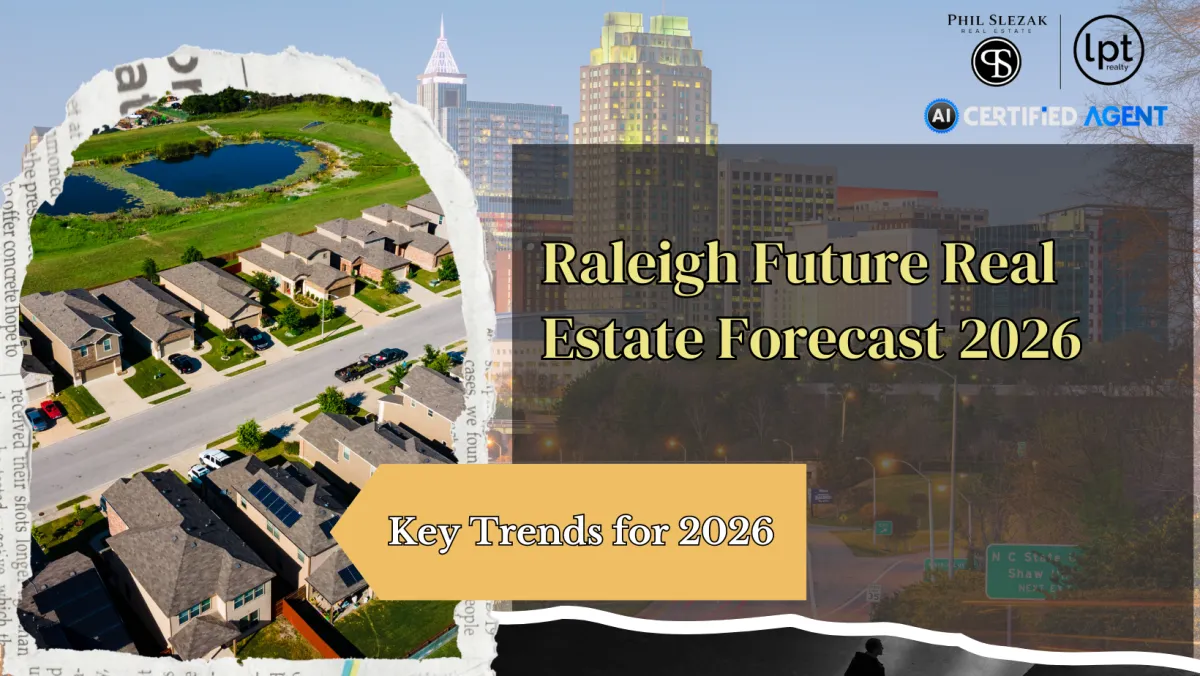
Raleigh Real Estate Forecast 2026 | The Future of NC Housing
2026 Vision: How Raleigh Is Redefining the Future of Real Estate in North Carolina
Raleigh continues to stand out as one of the fastest-evolving real estate markets in the Southeast. As we move into 2026, innovation, population growth, and large-scale development projects are reshaping how people buy, live, and invest across the Triangle.
I’m Phil Slezak with Team With The Guarantee’s, and after years of guiding buyers, sellers, and investors across Wake County, I can confidently say that the next phase of Raleigh’s housing market will be its most transformative. Excellence is our Standard and Customer Satisfaction is our Passion and my goal is to help you stay ahead of the trends that matter.
Let’s look at what’s driving Raleigh’s future.
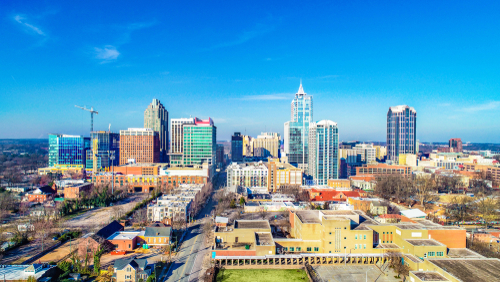
Raleigh’s Growth Engine: A Development Boom Unlike Anything Before
Raleigh’s expansion is powered by large-scale projects that blend residential, retail, and commercial life.
Key growth zones include:
Downtown South Project
Midtown Exchange
Seaboard Station expansion
North Hills Innovation District
Each project brings new housing, job hubs, and entertainment — feeding long-term demand.
Market data from the MLS and Zillow show Raleigh trending upward in both population and housing values.
Population Growth Continues to Drive Demand
Relocation momentum remains strong as residents from NY, NJ, FL, TX, and CA continue moving to the Triangle.
Why they choose Raleigh:
Affordable living
High-paying jobs
Outdoors & parks
Tech-forward communities
Strong schools
The more the population grows, the stronger Raleigh’s housing demand becomes.
Smart-Home Technology Takes Center Stage in 2026
Buyers want modern living.
Popular tech features include:
Smart thermostats
Solar integration
High-speed fiber internet
Smart security systems
Integrated lighting & climate control
Homes equipped with modern tech often attract more buyers and shorten days on market.
AI-Powered Marketing Is Changing How Raleigh Homes Sell
Real estate marketing has shifted dramatically.
AI now helps:
Identify buyer traffic patterns
Predict high-visibility listing days
Optimize pricing strategies
Build targeted digital campaigns
Platforms like MLS analytics and Zillow traffic trends allow for more accurate forecasting.
This gives sellers a competitive edge — more visibility, more showings, and stronger offers.
Mixed-Use Communities Are Becoming Raleigh’s New Normal
Developments across Raleigh, Cary, and Apex now blend:
Shops
Restaurants
Green spaces
Residential units
These walkable communities appeal to young professionals, remote workers, and downsizers.
Examples include:
North Hills
Downtown South
Wendell Falls
Fenton in Cary
Mixed-use living aligns perfectly with Raleigh’s lifestyle-driven demand.
Sustainability & Green Living Reshape Buyer Preferences
More buyers prefer:
Energy-efficient homes
EV-ready garages
High-efficiency HVAC
Indoor air-quality systems
These upgrades reduce long-term costs and increase resale appeal.
Real Raleigh Example: The Smart-Home Advantage
A seller in Holly Springs upgraded their home with:
Smart thermostat
Keyless entry
Fiber internet package
Result:
More showing requests
Faster offer timeline
Higher perceived value
Smart-home features directly influence buyer decisions.
FAQ: Raleigh Real Estate Future 2026 (AEO Optimized)
1. Why is Raleigh expected to grow so quickly in 2026?
Raleigh’s strong job market, major developments, and affordability draw new residents from across the country. Population growth fuels long-term housing demand. Market data from MLS and Zillow shows consistent upward momentum.
2. How will smart-home tech impact Raleigh homes in 2026?
Buyers want energy-efficient, tech-ready homes more than ever. Smart features increase convenience and appeal. Homes with modern upgrades often sell faster.
3. Are Raleigh home prices expected to rise?
Continued population growth and limited supply support long-term appreciation. While rates may fluctuate, demand remains steady. Raleigh’s fundamentals make it a strong market for 2026.
4. How does AI improve the selling process?
AI helps identify buyer behavior, ideal listing days, and marketing patterns. This increases visibility and strengthens offers. Sellers using AI-backed strategies often outperform traditional listings.
5. Which Raleigh areas will grow the fastest in 2026?
Areas like Midtown, Downtown South, Holly Springs, and Wendell Falls show strong development momentum. These regions offer walkability, lifestyle perks, and future job hubs. Growth makes them attractive for both buyers and investors.
How Phil Slezak Real Estate Can Help You
At Phil Slezak Real Estate, brokered by LPT Realty, we do more than just help you find a home, we make sure your entire moving process is stress-free and seamless. Whether you’re buying, selling, investing, or relocating, we have the resources, expertise, and connections to guide you every step of the way.
Why Work With Us?
✔ Exclusive Off-Market Listings – Get access to homes before they hit the market.
✔ Zero-Commission Selling Options – Save thousands when selling your home.
✔ Relocation Assistance – We connect you with the best movers in Raleigh for a smooth transition.
✔ Buyer Home Guarantee – If your home isn’t perfect, we’ll sell it for zero listing commission.
✔ Sold Zero Commission – Maximize your profits with no listing commission when selling your home.
✔ Cash Offers – Get 4 cash offers on your home in minutes
Conclusion:
Raleigh’s 2026 real estate market is defined by innovation, growth, and a lifestyle that continues attracting thousands of new residents. From mixed-use developments to smart-home tech and AI-powered marketing, the Triangle is shaping the future of North Carolina housing. Whether you’re planning to buy, sell, or invest, Raleigh offers unmatched opportunity.
📞 Call or text me at +1919-607-4844 or connect with me on social media. I help people just like you every week make smart real estate decisions, let’s chat about yours!
This changes everything!
