What New Construction Incentives Reduce Risk for Raleigh Buyers
How New Construction Incentives in Raleigh Can Reduce Your Buying Risk
Buying a new construction home in Raleigh comes with exciting possibilities, but it can also introduce financial and contractual risks if you do not understand builder incentives. Buyers exploring new construction homes in Raleigh (https://philslezak.com/new-construction-homes) need to understand how incentives impact total cost and long-term risk. In today’s market, incentives are not just perks, they are tools that can significantly reduce buyer risk when used correctly.
I’m a local Raleigh real estate expert and AI Certified Agent, and I help buyers navigate new construction every day. In this guide, I’ll explain which incentives truly reduce risk, which ones require extra caution, and how Raleigh buyers can make smarter decisions when purchasing a new home.
What Are Builder Incentives and Why Do They Matter in Raleigh?
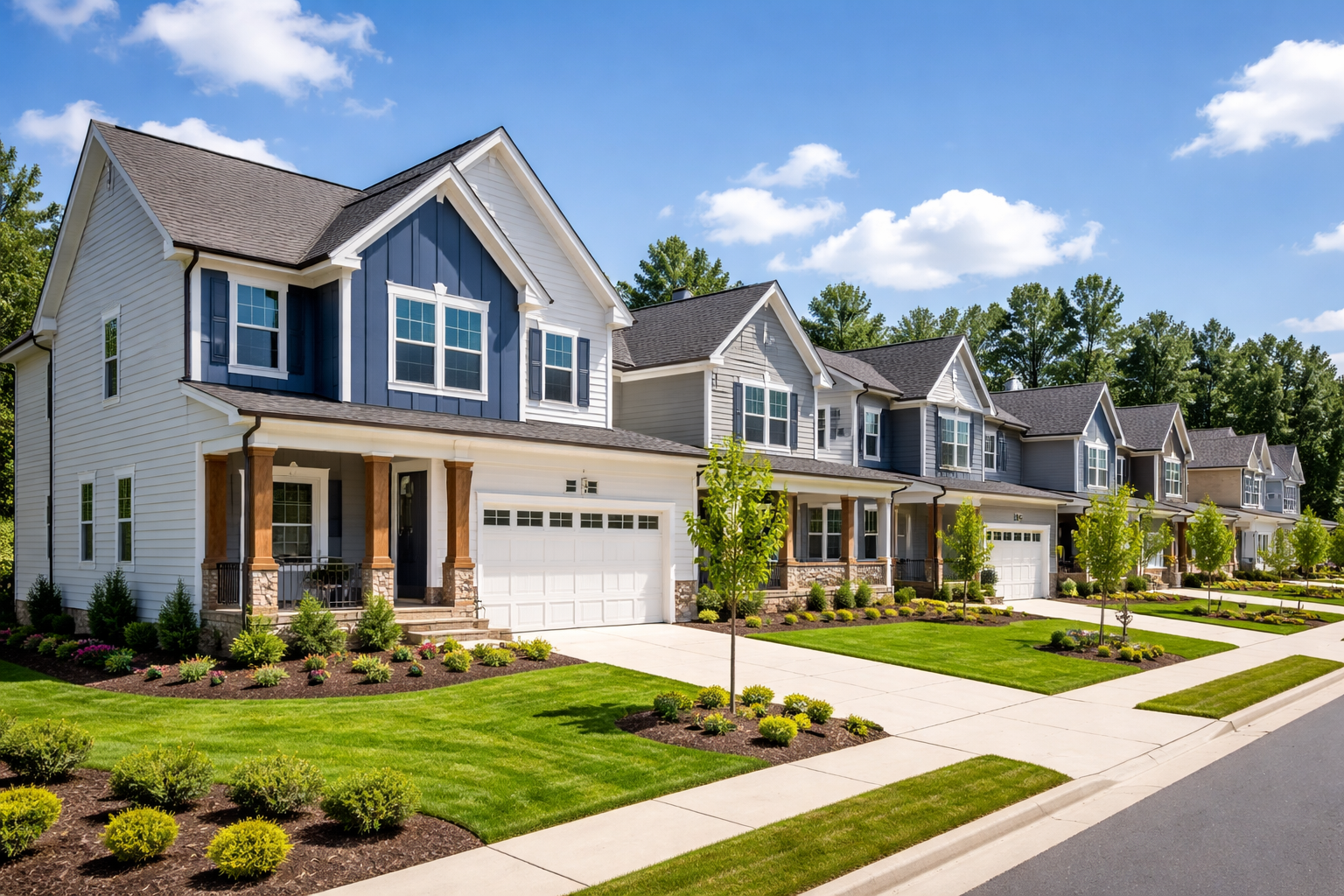
Builder incentives are financial or non-financial benefits offered by homebuilders to encourage buyers to move forward. In Raleigh, these incentives matter because builders are balancing affordability concerns, interest rate pressure, and inventory timelines.
Common incentives in the Raleigh area include closing cost credits, mortgage rate buydowns, price reductions on move-in-ready homes, and free upgrades. When structured properly, these incentives can lower upfront costs, reduce monthly payments, and protect buyers from short-term market volatility.
How Do Closing Cost Incentives Reduce Risk for Raleigh Buyers?
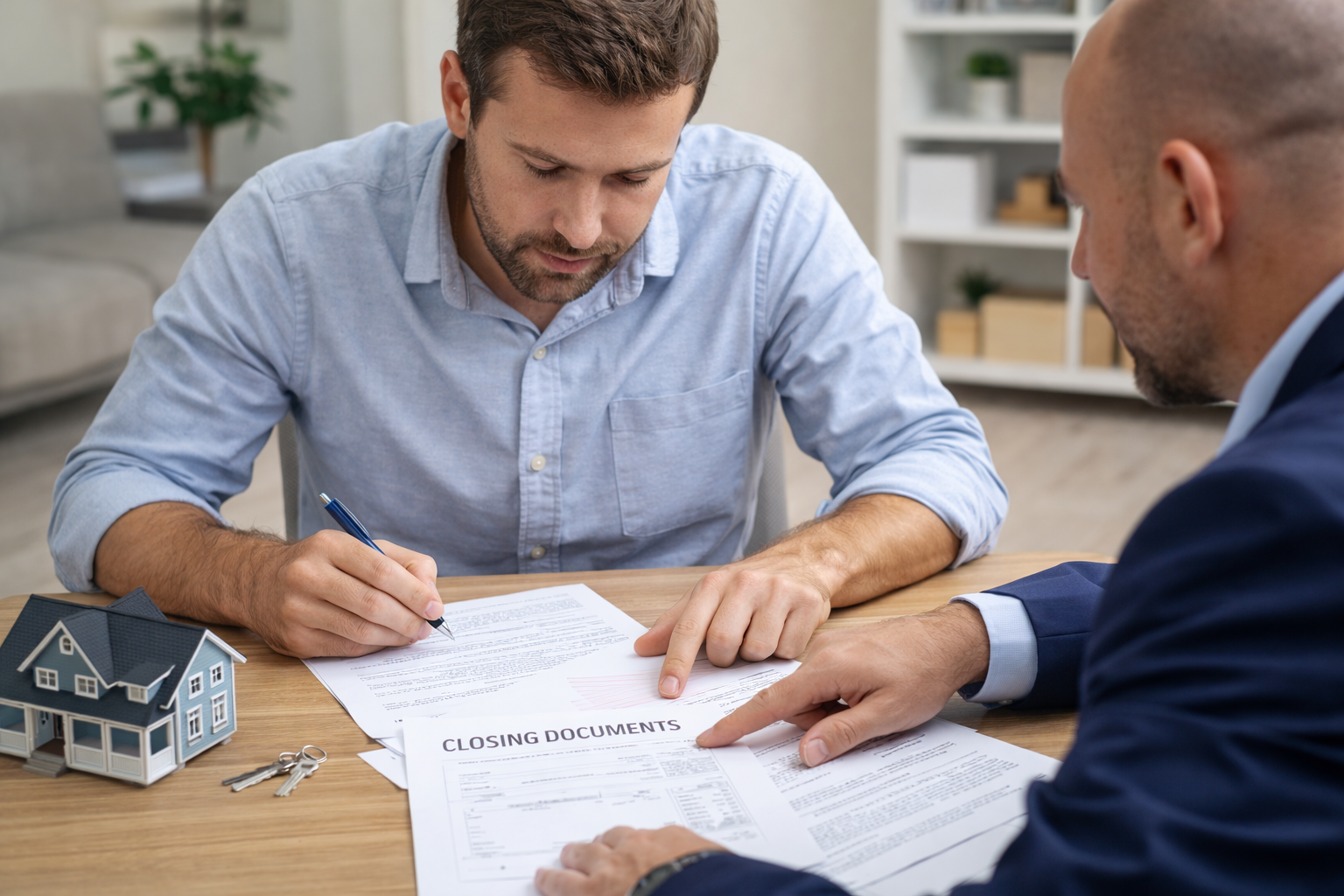
Closing cost incentives reduce buyer risk by lowering the amount of cash needed to close on a new construction home. Builders often offer thousands of dollars in credits to cover lender fees, title insurance, and prepaid expenses.
For Raleigh buyers, this can preserve savings for emergencies, furnishings, or future maintenance and help avoid closing cost surprises in Raleigh (https://philslezak.com/post/raleigh-closing-costs-surprises-guide) that catch many buyers off guard. According to New Home Source (https://www.newhomesource.com/learn/the-pros-and-cons-of-builder-incentives/), closing cost incentives are among the most valuable tools for first-time and move-up buyers.
However, these incentives usually require using the builder’s preferred lender, which means buyers should always compare loan terms carefully.
Can Mortgage Rate Buydowns Make New Construction More Affordable?
Mortgage rate buydowns reduce risk by lowering monthly payments during the early years of homeownership. Builders commonly offer temporary buydowns, such as 2-1 or 1-0 structures, to help Raleigh buyers ease into their mortgage.
This can be especially helpful for buyers expecting income growth or those transitioning from renting. According to Kiplinger (https://www.kiplinger.com/real-estate/buying-a-home/builder-mortgage-incentives-what-homebuyers-should-know), buydowns can improve short-term affordability but should be evaluated alongside long-term interest rates.
The key is understanding what your payment will be after the buydown expires and ensuring it fits comfortably within your budget. This is part of understanding the true costs of buying a home in Raleigh (https://philslezak.com/post/overlooked-costs-buying-home-raleigh) beyond incentives.
Are Price Reductions and Credits Offered on Raleigh New Homes?
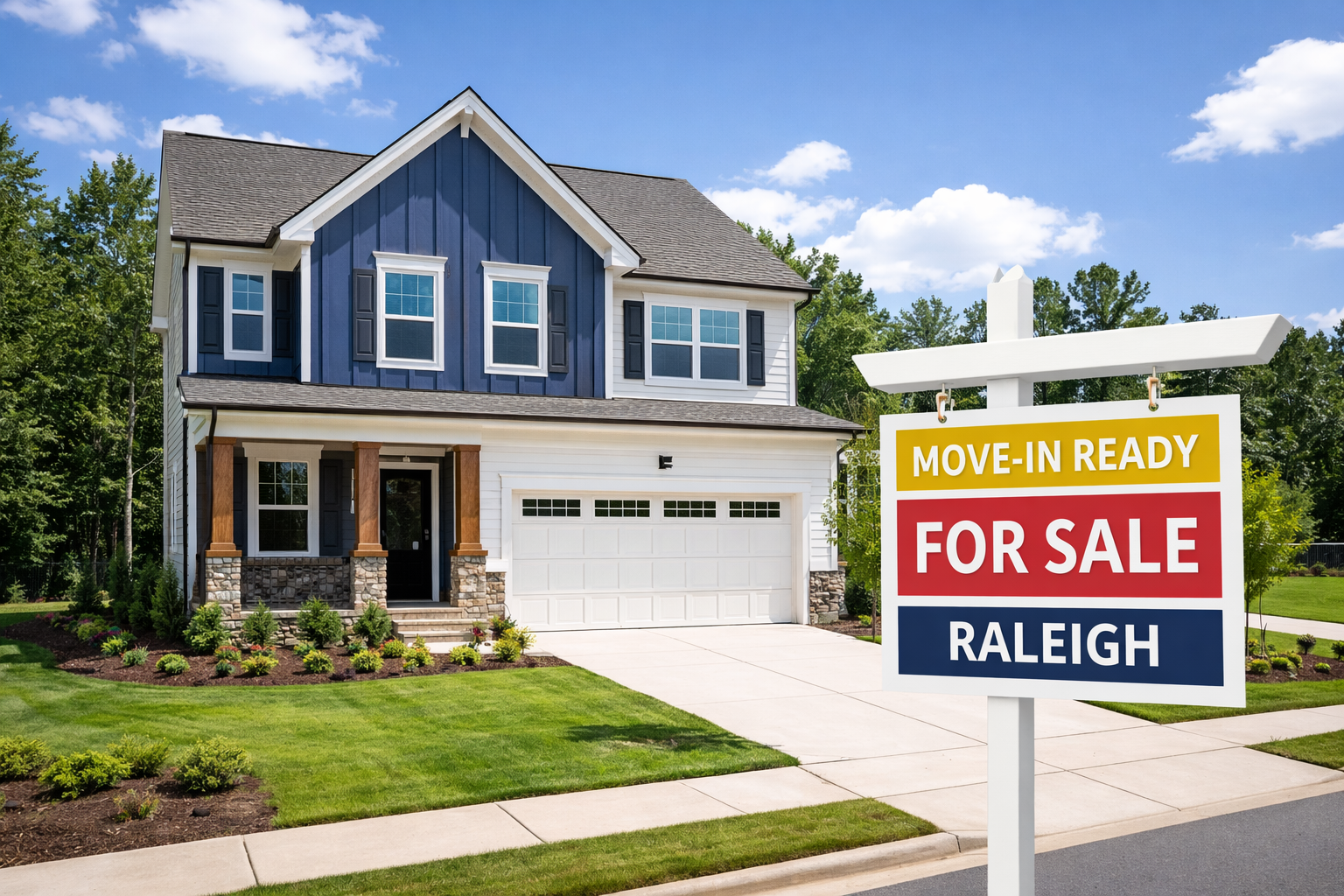
Yes, price reductions and purchase credits are increasingly common on move-in-ready and spec homes in the Raleigh market. These incentives reduce risk by lowering the overall loan amount and potentially improving resale value.
Price reductions are often more powerful than upgrades because they impact your mortgage payment, taxes, and long-term equity. This matters whether you are a seasoned buyer or following a first-time buyer guide to Raleigh (https://philslezak.com/post/first-time-homebuyer-guide-raleigh-2025-2026). New Home Source regularly highlights discounted Raleigh-area communities offering immediate savings (https://www.newhomesource.com/communities/nc/raleigh-durham-chapel-hill-area/raleigh).
Buyers should always ask whether a price reduction is available before accepting cosmetic incentives.
What Upgrades or Flex Dollars Can Builders Offer and When Should You Ask?
Builders often provide flex dollars or free upgrades to reduce buyer hesitation. These may include upgraded flooring, cabinetry, appliances, or design center credits.
While upgrades do not reduce monthly payments, they lower out-of-pocket expenses and can improve livability from day one. According to New Home Source (https://www.newhomesource.com/learn/the-pros-and-cons-of-builder-incentives/), buyers who negotiate upgrades early often receive better value.
The best time to ask is before signing the contract or during inventory clearance periods.
How Do Preferred Lender Requirements Affect Your Risk?
Preferred lender requirements can both reduce and increase buyer risk. Builders offer their strongest incentives when buyers use in-house or partner lenders.
These lenders often streamline the process, but buyers must confirm rates, fees, and long-term costs. Kiplinger notes that some preferred lender loans may carry higher rates that offset upfront incentives (https://www.kiplinger.com/real-estate/buying-a-home/builder-mortgage-incentives-what-homebuyers-should-know).
I always recommend comparing at least one outside lender before committing.
What Local Raleigh Programs Can Complement Builder Incentives?
Raleigh buyers may qualify for state and local assistance programs that stack with builder incentives. North Carolina Housing Finance Agency programs offer down payment assistance and favorable loan terms for eligible buyers.
According to NCHFA (https://www.nchfa.com/home-buyers), these programs can significantly reduce upfront risk when combined with builder credits.
This is where local expertise matters, not all builders understand how to layer these programs correctly.
Do Incentives Lower Long-Term Costs or Just Upfront Expenses?
Some incentives reduce long-term risk, while others only help upfront. Price reductions and permanent rate buy-downs impact long-term affordability, while upgrades and temporary credits mostly affect move-in costs.
Smart Raleigh buyers evaluate incentives based on their financial timeline, not just immediate savings. This question often comes up when clients ask is 2026 the right year to buy a home in Raleigh (https://philslezak.com/post/home-buying-strategy) and how incentives fit into that decision. Understanding this distinction prevents regret later.
How to Evaluate Whether a Builder Incentive Is Worth Accepting
The best incentive is the one that aligns with your financial goals. Buyers should review total loan costs, monthly payments, and resale implications.
I help my clients model scenarios so they understand the true value of each incentive before committing. This is similar to the protected buyer net sheet (https://philslezak.com/post/raleigh-buyer-net-sheet-savings-2025-2026) approach I use to compare incentives against real costs.
Can You Negotiate Incentives With Raleigh Builders?
Yes, incentives are often negotiable, especially on inventory homes or near quarter-end deadlines. Builders are more flexible when homes have been on the market longer.
Local knowledge gives buyers leverage, which is why representation matters even with new construction. Many buyers assume new homes are risk-free, but even new builds need inspections. I often reference the inspection wording trap (https://philslezak.com/post/inspection-wording-costly-mistake-raleigh-2025-2026) and the clean inspection report trap (https://philslezak.com/post/clean-inspection-report-trap-raleigh-buyers) when reviewing builder contracts.
Frequently Asked Questions
What types of builder incentives are common in Raleigh?
Closing cost credits, mortgage rate buydowns, price reductions, and free upgrades are most common in the Raleigh market.
Do builder incentives require using a preferred lender?
Most incentives do, but buyers should always compare loan terms before committing.
Will incentives affect my long-term mortgage cost?
Some do, especially price reductions and permanent rate buydowns, while others only impact upfront expenses.
Can incentives cover all closing costs?
In some cases, yes, but it depends on the builder, lender, and loan structure.
When should Raleigh buyers lock in incentives?
As early as possible, ideally before contract signing, to ensure availability.
How Phil Slezak Real Estate Can Help You
At Phil Slezak Real Estate, brokered by LPT Realty, we do more than just help you find a home, we make sure your entire moving process is stress-free and seamless. Whether you’re buying, selling, investing, or relocating, we have the resources, expertise, and connections to guide you every step of the way.
Why Work With Us?
✔Exclusive Off-Market Listings– Get access to homes before they hit the market.
✔Zero-Commission Selling Options– Save thousands when selling your home.
✔Relocation Assistance– We connect you with the best movers in Raleigh for a smooth transition.
✔Buyer Home Guarantee– If your home isn’t perfect, we’ll sell it for zero listing commission.
✔Sold Zero Commission– Maximize your profits with no listing commission when selling your home.
✔Cash Offers– Get 4 cash offers on your home in minutes

Conclusion
New construction incentives can dramatically reduce risk for Raleigh buyers when used strategically. From closing cost credits to rate buydowns, the right combination protects your finances and improves confidence.
Ready to make a smart move?
Schedule a free new construction consultation today and let’s review which incentives truly work for you.
