Buying New Construction in Raleigh (2026): Builder Incentives Explained
Buying New Construction in Raleigh? Builder Incentives Most Buyers Don’t Understand (2026)
If you’re buying new construction in Raleigh or anywhere in the Triangle in 2026, builder incentives can look appealing — lower rates, closing cost credits, upgrade allowances. But many buyers don’t understand how these incentives actually work, when they help, or when they quietly cost more long-term.
Builder incentives can work in your favor. The problem is most buyers are shown incentives without anyone explaining the trade-offs.
This article breaks down how new construction incentives really work in the Raleigh and Triangle market — and what buyers should understand before signing a contract.
Why Builders Use Incentives Instead of Lowering Prices
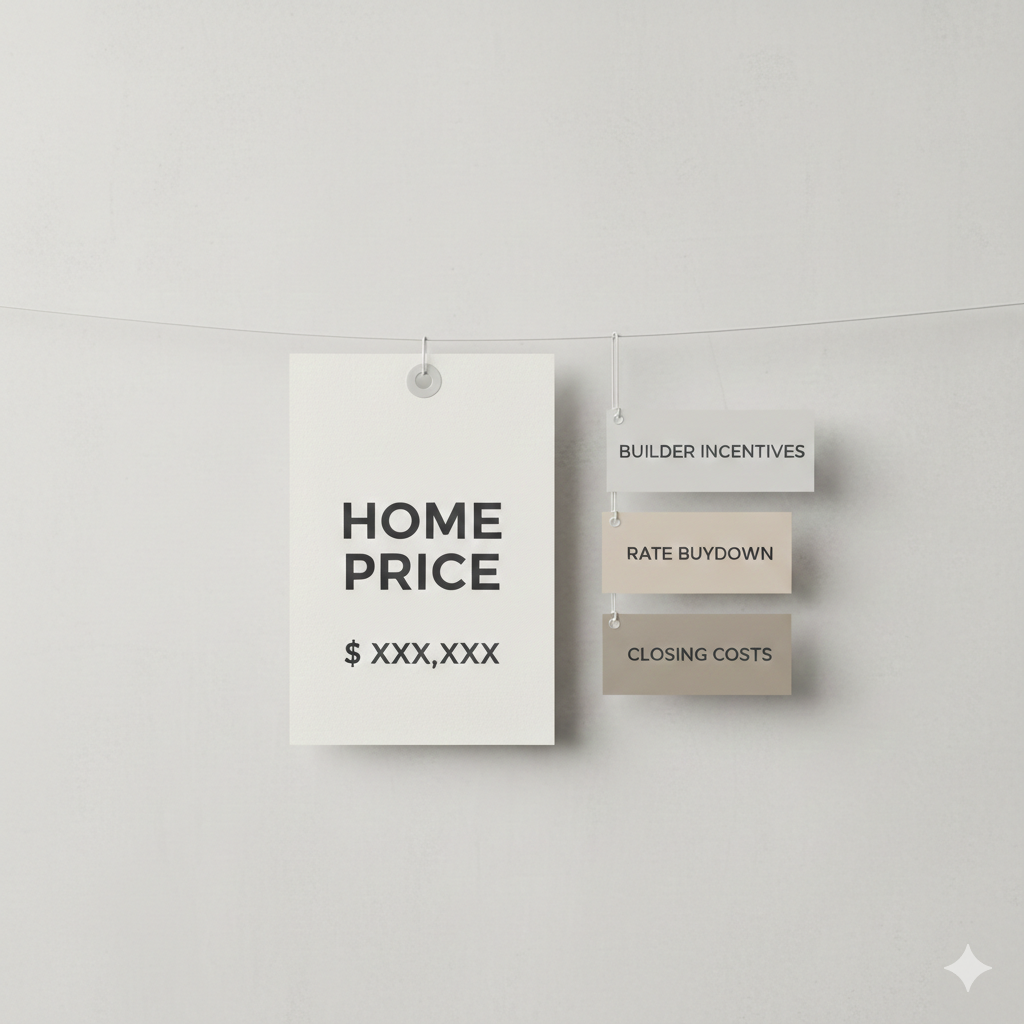
One of the biggest misunderstandings buyers have is assuming builder incentives are the same as discounts.
They aren’t.
Builders are often reluctant to lower base prices because price reductions affect:
• Appraisals for future phases
• Perceived values in the community
• Resale expectations for buyers who already closed
Instead, builders use incentives to move inventory quietly without publicly resetting prices.
If you want context on what’s shifting in 2026—inventory, pricing, and leverage—read the latest Raleigh Real Estate Market Update & 2026 Forecast
The Three Types of Builder Incentives Buyers Should Understand
Nearly every builder incentive falls into one of three categories:
1. Monthly Payment Manipulation
This includes incentives like interest rate buydowns. These can be temporary or permanent, and the difference matters more than most buyers realize.
A lower payment today doesn’t automatically mean a better deal long-term.
2. Upfront Cash Relief
Closing cost credits reduce how much money buyers need at closing. This can preserve savings or help structure a loan more comfortably — but it doesn’t make a deal “better” by default.
It simply makes it different.
3. Quiet Pricing Flexibility
This is where things like lot premiums, upgrade credits, or inventory home incentives come into play. These adjustments are rarely advertised and usually depend on timing, inventory levels, and builder sales goals.
Understanding why incentives exist gives buyers leverage. If you want the broader process mapped out step-by-step, use the Raleigh Buyer’s Guide.
Rate Buydowns: When They Help - and When They Don't
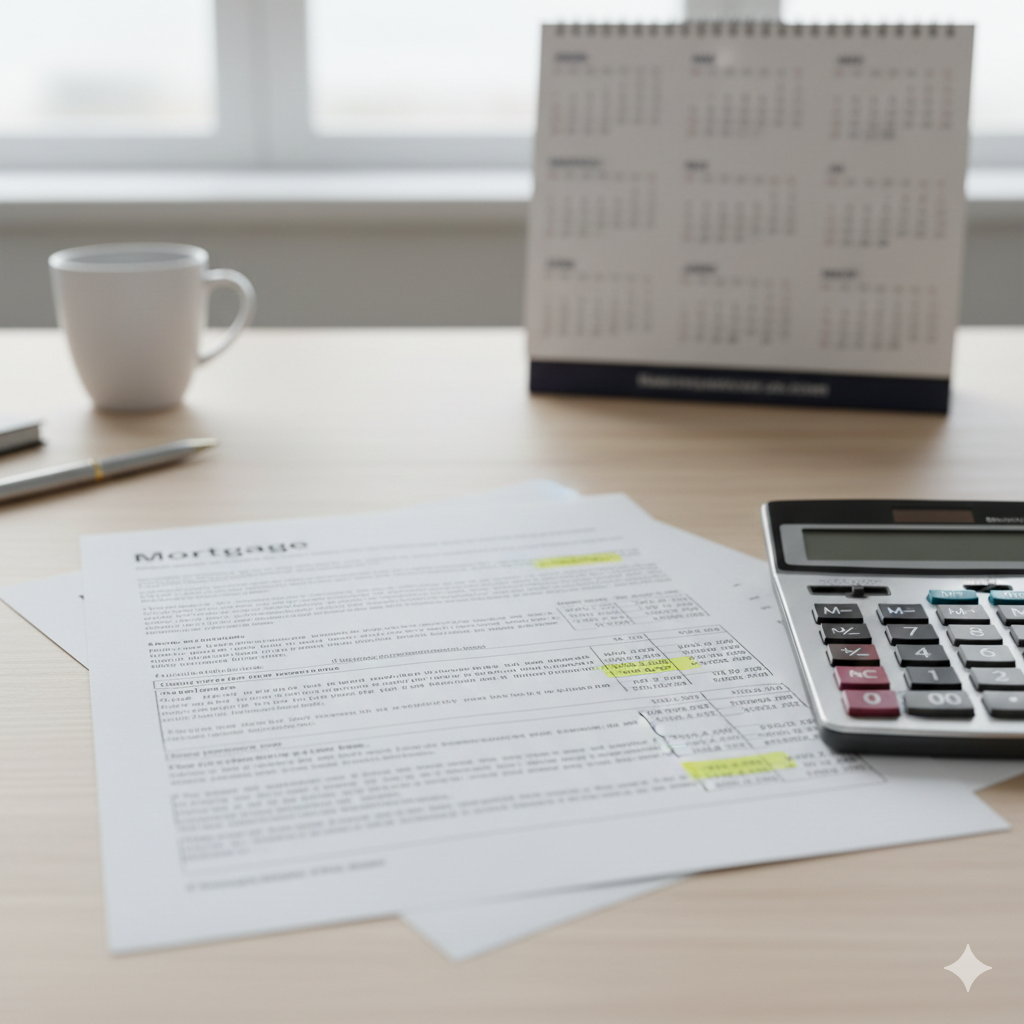
Rate buydowns are one of the most common new construction incentives in Raleigh.
They can be valuable — if buyers understand:
• Whether the buydown is temporary or permanent
• What lender fees are involved
• Whether the builder requires using a preferred lender
• What the loan looks like long-term, not just year one
Focusing only on the monthly payment is one of the easiest ways buyers end up overpaying.
If you want to avoid the most common traps buyers fall into, read Top Mistakes Raleigh Homebuyers Make in 2026.
Closing Cost Credits vs. Lower Prices
Builders often highlight upgrades because they’re exciting. In many cases, cash toward closing is far more impactful.
Closing cost credits can:
• Reduce upfront cash needed
• Preserve emergency savings
• Offset lender fees
But again — credits don’t make a deal better automatically. They make it different.
The right incentive depends on your timeline, budget, and risk tolerance.
This breakdown pairs well with How Raleigh Buyers Save With a Protected Buyer Net Sheet
Lot Premiums: Are They Really Non-Negotiable?
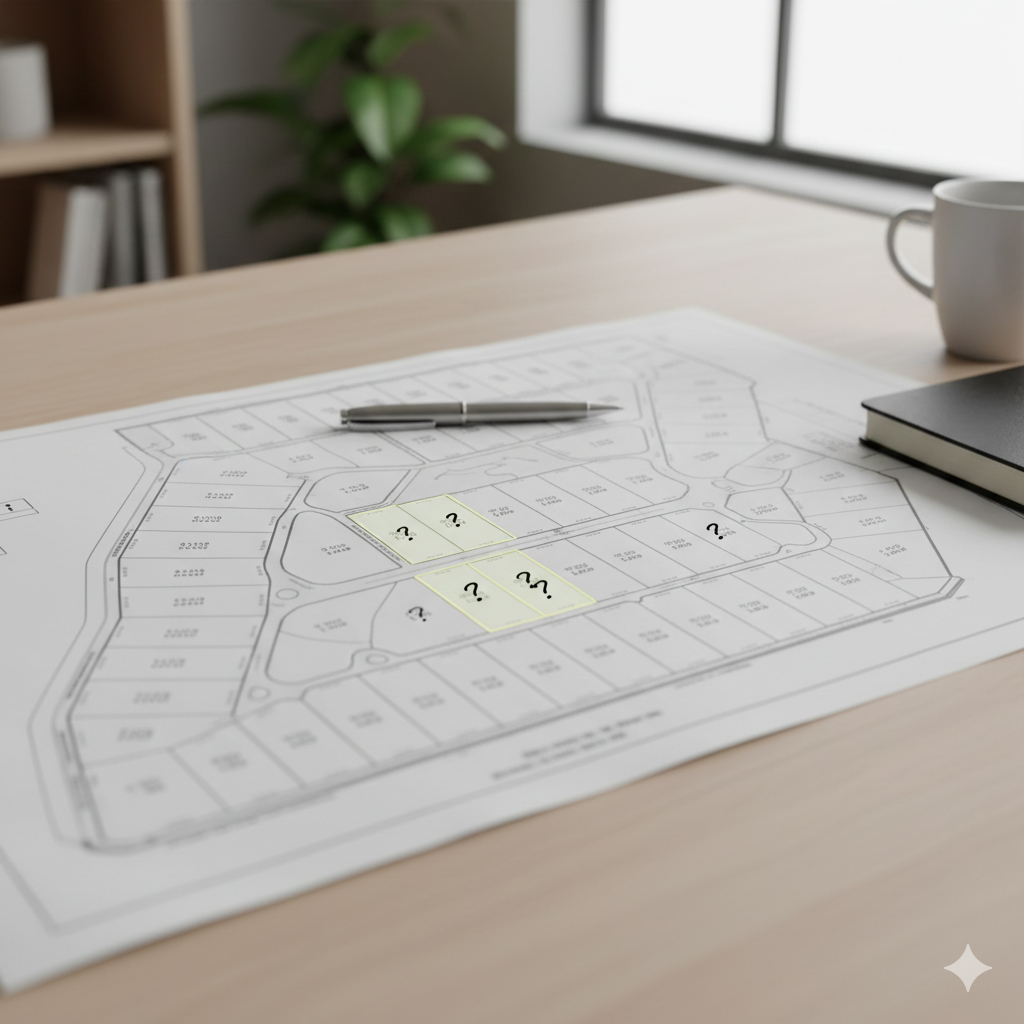
Many buyers assume lot premiums are fixed.
Sometimes they are.
But when inventory builds up, sales targets aren’t hit, or certain homes sit longer than expected, flexibility can appear — quietly.
This flexibility may not show up as a lower sticker price. It may come in the form of:
• Credits
• Upgrade allowances
• Behind-the-scenes adjustments
Timing matters more than most buyers realize.
Inventory and Spec Homes: Where Leverage Often Exists
Completed or near-completion homes cost builders money every month they don’t sell.
That’s why inventory homes often come with:
• Stronger incentives
• More flexibility on pricing or credits
• Less resistance to negotiation
Buyers who are flexible on design often find the best opportunities here.
The Most Expensive New Construction Mistake Happens at the Design Center
The design center is one of the most emotional parts of building a home — and one of the most expensive.
Upgrades don’t just increase the purchase price. They increase the monthly payment for the life of the loan.
Many upgrades:
• Don’t appraise dollar-for-dollar
• Add lifestyle value, not resale value
• Are far cheaper to do after closing
The mistake isn’t spending money — it’s spending without understanding the long-term impact.
The Risk Most Buyers Ignore: Long Build Timelines
New construction often involves months between contract and closing.
During that time:
• Interest rates can change
• Monthly payments can shift
• Markets can move
This isn’t fear — it’s reality.
Planned risk is manageable. Unplanned risk creates stress and regret.
The Real Goal: Clarity, Not Timing the Market
This isn’t about predicting the market or telling you when to buy.
It’s about understanding:
• Which incentives actually reduce risk
• Which ones just move it around
• How timing and leverage affect your options
• What fits your situation
When buyers understand their options upfront, they make calmer, more confident decisions.
New Construction Builder Incentives – FAQ (Raleigh & Triangle)
Are builder incentives the same as a price reduction?
No. Builder incentives and price reductions are fundamentally different.
Price reductions impact future appraisals, community values, and resale expectations. Incentives allow builders to move inventory without publicly lowering base prices. While incentives can benefit buyers, they often shift costs or risk rather than eliminate them.
Are interest rate buydowns always a good deal?
Not always.
Rate buydowns can be helpful, but only if buyers understand whether the buydown is temporary or permanent, what lender fees are involved, and how the loan performs long-term. Focusing only on the initial monthly payment is one of the most common ways buyers overpay over time.
Do I have to use the builder’s preferred lender to get incentives?
In many cases, yes.
Builders often tie incentives—especially rate buydowns and closing cost credits—to the use of a preferred lender. That doesn’t automatically make the deal bad, but it does mean buyers should compare loan terms carefully and understand what they’re trading for the incentive.
Are closing cost credits better than upgrades?
It depends on your situation.
Closing cost credits reduce upfront cash requirements and can preserve savings or offset lender fees. Upgrades add lifestyle value but increase the loan balance and monthly payment for the life of the loan. One isn’t inherently better—the right choice depends on cash flow, timeline, and long-term plans.
Are lot premiums negotiable in Raleigh new construction?
Sometimes.
Lot premiums are often presented as fixed, but flexibility can appear when inventory builds up, homes sit longer, or sales targets aren’t being met. This flexibility may come as credits or upgrades rather than a visible price change.
Timing and leverage matter more than most buyers realize.
Why do builders offer better incentives on inventory or spec homes?
Because completed homes cost builders money every month they don’t sell.
Inventory and spec homes often come with stronger incentives, more negotiation flexibility, and fewer restrictions. Buyers who are flexible on finishes or floor plans often find better overall value in these homes.
Is the design center really that risky?
It can be.
Design center upgrades increase the purchase price and the monthly payment for the entire loan term. Many upgrades don’t appraise dollar-for-dollar and are more about lifestyle than resale value. The biggest mistake isn’t upgrading—it’s upgrading without understanding the long-term cost.
Can I make upgrades after closing instead?
Often, yes—and for less money.
Many cosmetic and functional upgrades can be completed after closing at a lower cost and without financing them over 30 years. Some structural or pre-wired items must be done during construction, but not everything needs to happen at the design center.
What’s the biggest risk with long new construction timelines?
Uncertainty.
Interest rates, monthly payments, and market conditions can change between contract and closing. Planned risk can be managed; unplanned risk creates stress. Buyers who understand this upfront are far better prepared.
Should I wait for better incentives or try to time the market?
This isn’t about timing the market—it’s about understanding options.
The goal is clarity: knowing which incentives reduce risk, which simply move it, and how timing affects leverage. Buyers who understand incentives make more confident decisions regardless of market headlines.
Is new construction always more expensive than resale?
Not always—but it’s structured differently.
New construction pricing often feels higher because incentives mask true costs. When buyers compare deals correctly—payment, cash, upgrades, and risk—the gap is often smaller than expected.
How Phil Slezak Real Estate Can Help You
At Phil Slezak Real Estate, brokered by LPT Realty, we do more than just help you find a home, we make sure your entire moving process is stress-free and seamless. Whether you’re buying, selling, investing, or relocating, we have the resources, expertise, and connections to guide you every step of the way.
Why Work With Us?
✔ Exclusive Off-Market Listings – Get access to homes before they hit the market.
✔ Zero-Commission Selling Options – Save thousands when selling your home.
✔ Relocation Assistance – We connect you with the best movers in Raleigh for a smooth transition.
✔ Buyer Home Guarantee – If your home isn’t perfect, we’ll sell it for zero listing commission.
✔ Sold Zero Commission – Maximize your profits with no listing commission when selling your home.
✔ Cash Offers – Get 4 cash offers on your home in minutes

Buying New Construction in Raleigh or the Triangle?
If you’re planning to buy new construction in Raleigh, Cary, Apex, Holly Springs, Fuquay-Varina, Wake Forest, or anywhere in the Triangle, understanding builder incentives before you sign can save tens of thousands — and a lot of regret.
📘 Want clarity before you buy?
Text “New Construction Options” to 919-607-4844 and I’ll send you my Raleigh & Triangle New Construction Buyer Guide.
No pressure — just information.
